Festivals, night markets and public events are a different booking category to a private party: instead of one organiser choosing one or two trucks, you’re usually curating a lineup, coordinating permits, and thinking about footfall across an entire site rather than a single guest list.
Permits and public land
Almost any food truck presence on council land – a park, a street closure, a public reserve – requires a commercial vending permit, separate from booking the trucks themselves. This is worth starting early and running in parallel with vendor outreach, not after you’ve already lined up your trucks, since permit approval timelines don’t always match how quickly vendors can confirm.
How many trucks, and how to pick a lineup
There’s no fixed formula, but organisers generally aim for enough variety to give attendees real choice without any one truck becoming a bottleneck – often somewhere between three and six trucks for a mid-sized event, scaling up for larger festivals. Variety matters as much as volume: a lineup that mixes savoury mains, a dessert option and a drinks or coffee truck tends to perform better than several trucks all serving similar food.
Stall fees versus a straight booking
Public events commonly work on a different commercial model to a private party – vendors often pay a stall or site fee to attend, rather than the organiser paying the truck a set rate for the day, since trucks are selling directly to attendees rather than serving guests you’ve already paid for. This is worth clarifying with each vendor at the enquiry stage, since it changes how you should think about your event budget compared to a private booking.
Power, layout and generator noise
Most trucks are self-sufficient on power, which simplifies site planning, but a cluster of several trucks each running their own generator is worth factoring into your layout – particularly noise, and keeping generators away from anywhere attendees will be standing for a while (a stage, seating area, or another vendor’s stall). Confirm generator needs with each vendor as part of your planning, rather than assuming every truck’s setup is identical.
Getting quotes for your event
Share your event date, expected footfall, site details and whether you’re working to a stall-fee or booking-fee model, and vendors interested in the event will respond directly.
Frequently asked questions
Do organisers need a permit to have food trucks at a public event?
Almost always, if the event is on council land or in a public space -- a park, street or reserve. Auckland Council's events team handles commercial vending permits, and it's worth starting that process well ahead of your event date, separate from booking the trucks themselves.
How many food trucks does a market or festival need?
It depends heavily on expected footfall and how long the event runs, but as a starting point, most organisers bring in enough variety -- three to six trucks covering different cuisines -- to give attendees real choice and avoid any single truck becoming a bottleneck.
Do food trucks pay a stall fee to attend a market or festival?
Often yes -- public events commonly charge vendors a stall or site fee rather than the organiser paying the truck directly, which is a different arrangement to a private event. Clarify this upfront with each vendor, since it affects how you should approach your budget.
Who provides power for food trucks at an outdoor festival?
Most trucks bring their own generator, so festival organisers rarely need to provide power -- but for very large sites or a big cluster of trucks, confirm with each vendor rather than assuming, since generator noise and placement can matter for neighbouring stalls.
Vendors
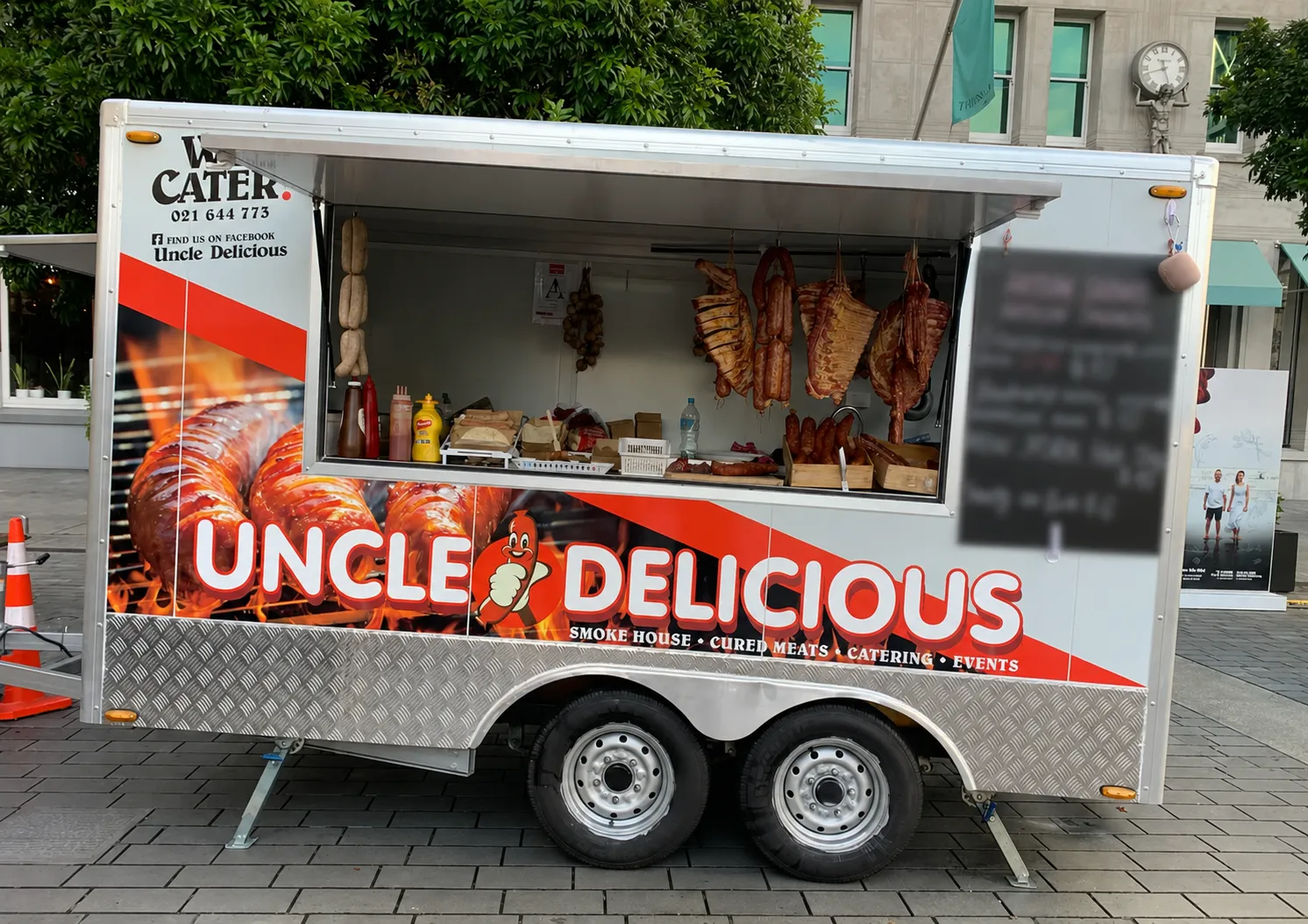
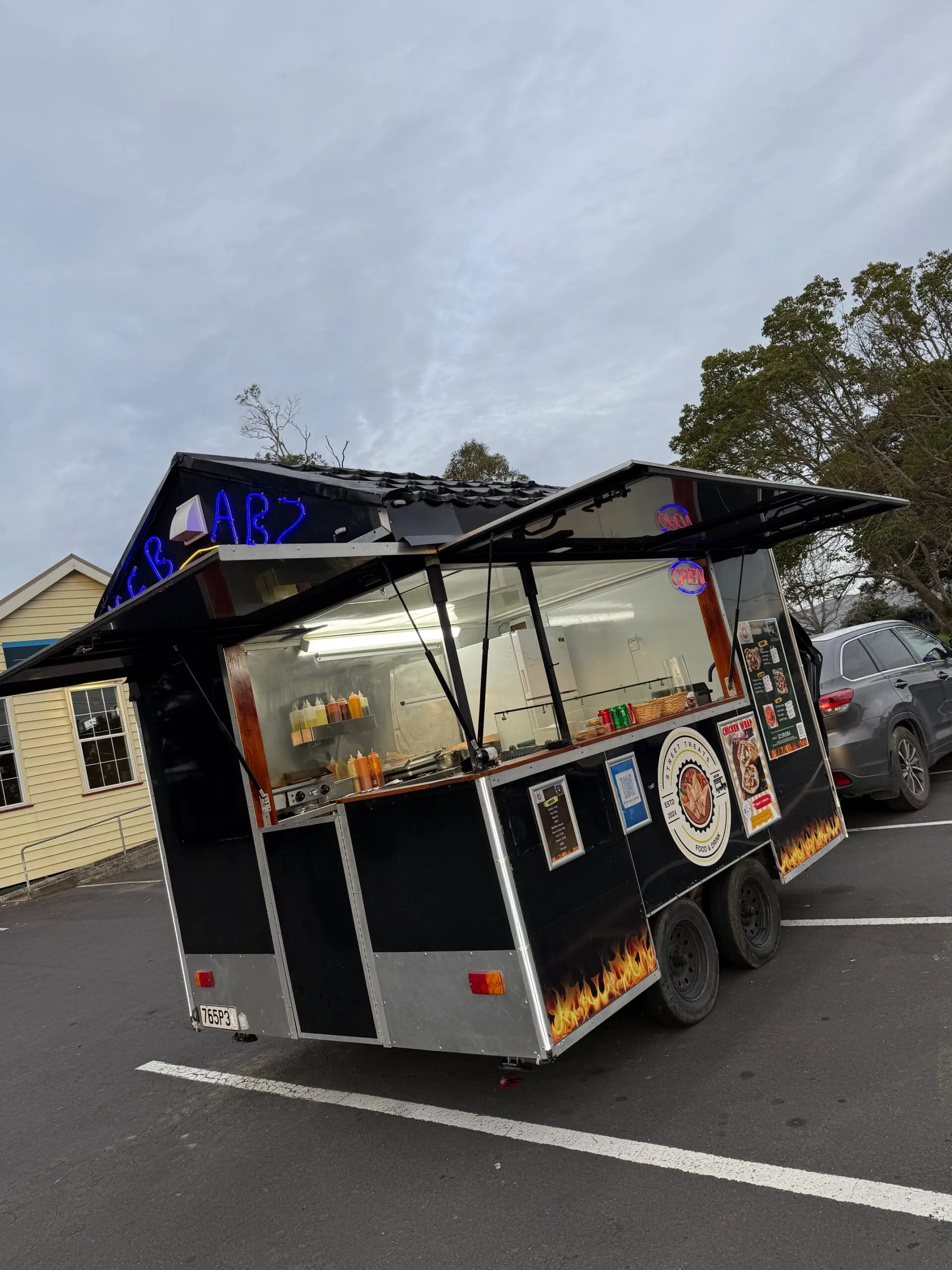
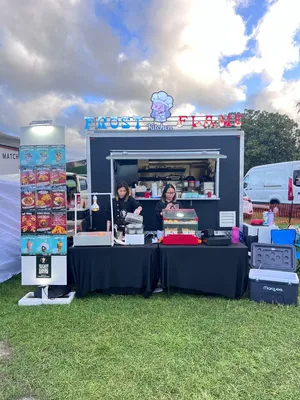
Food trucks available for your event


Ready to book food trucks for your event?
Tell us what you are planning and we will match you with vendors who fit. No fees for organisers.